Uncategorized
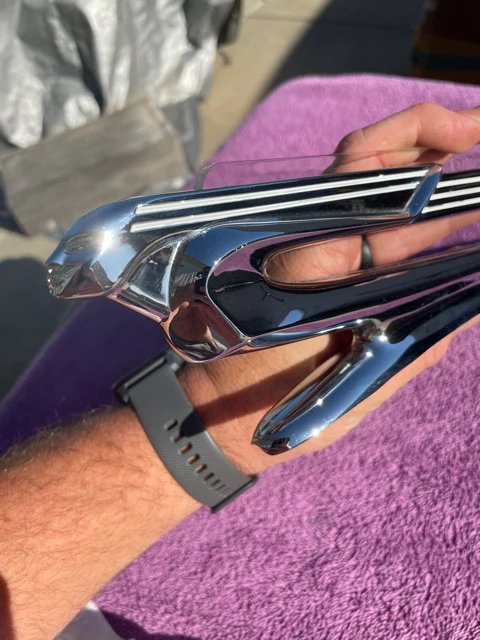
Complete Guide to 1940 Chevrolet NORS Accessory Flying Lady Hood Ornament Lucite (With Imperfections)
Oct
Vintage Chevrolet accessories from the pre-war era hold a special place among collectors and restoration enthusiasts. The 1940 Chevrolet Flying Lady hood ornament is one of the most recognizable and stylistically unique accessories of its time, symbolizing motion, elegance, and craftsmanship.
This NORS (New Old Replacement Stock) Lucite Flying Lady hood ornament, while showing imperfections, represents a rare opportunity to own a period-correct accessory that reflects the design language of early Chevrolet vehicles.
🚘 About the 1940 Chevrolet Era
The 1940 Chevrolet lineup marked a shift toward more refined styling and streamlined design. Vehicles from this era featured:
- Smooth, flowing body lines
- Increased use of decorative accessories
- A balance between function and elegance
- Distinctive hood ornaments as signature elements
Hood ornaments were not just decorative—they served as identity markers for the vehicle.
🕊️ What Is the Flying Lady Hood Ornament?
The “Flying Lady” hood ornament is a sculpted accessory mounted on the front of the hood. It typically features a stylized female figure with flowing lines that suggest motion and grace.
Key characteristics:
- Aerodynamic-inspired design
- Symbol of speed and elegance
- Prominent placement at the front of the vehicle
- Highly collectible among vintage car enthusiasts
💎 What Is Lucite?
This particular ornament is made from Lucite, an early form of acrylic material widely used in mid-20th-century automotive accessories.
Lucite offers:
- Transparent or semi-transparent appearance
- Lightweight construction
- Distinct vintage aesthetic
- Unique visual appeal compared to metal ornaments
🔧 Product Specifications
Product Name:
1940 Chevrolet NORS Accessory Flying Lady Hood Ornament Lucite
Type:
NORS (New Old Replacement Stock)
Material:
Lucite (acrylic)
Application:
1940 Chevrolet models (accessory use)
Position:
Front hood
Condition:
NORS with imperfections
🧩 Understanding NORS (New Old Replacement Stock)
NORS refers to parts produced after the original manufacturing period but intended as replacement parts for older vehicles.
Key points:
- Not factory-installed originals (NOS)
- Produced to match original design
- Often used in period-correct repairs
- Still highly valued in restoration
⚠️ About the Imperfections
This ornament is noted as having imperfections, which may include:
- Light scratches or scuffs
- Minor clouding or discoloration
- Small surface marks from long-term storage
These imperfections are common in vintage Lucite items and should be evaluated based on personal restoration goals.
🎯 Importance for Collectors & Restorers
1. Unique Styling
The Flying Lady design is iconic and adds character to any classic Chevrolet.
2. Period-Correct Accessory
Even as a NORS item, it reflects the era’s design and functionality.
3. Rarity
Lucite ornaments are less common than metal versions, increasing their desirability.
4. Display Value
Suitable for both installation and collector display.
🛠️ Installation Considerations
When installing a hood ornament:
- Ensure proper mounting alignment
- Check compatibility with hood mounting points
- Handle Lucite carefully to avoid cracking
- Avoid overtightening hardware
Because of its material, extra care is required during installation.
📦 Condition & Storage Notes
Due to age and material:
- Store away from direct sunlight
- Avoid exposure to extreme temperatures
- Handle with care to preserve clarity
Lucite can age over time, making proper storage important.
🔍 Identifying Authenticity
To assess authenticity:
- Examine design consistency with period accessories
- Check material (true Lucite vs modern plastic)
- Compare with known vintage examples
Authenticity is key for collector value.
🧠 Final Thoughts
The 1940 Chevrolet NORS Flying Lady Lucite hood ornament represents a blend of artistry and automotive history. While it may show imperfections, these characteristics are part of its vintage nature and story.
For collectors and restorers, this piece offers a chance to own a distinctive accessory that captures the elegance and innovation of early Chevrolet design. Whether installed on a vehicle or displayed as part of a collection, it remains a standout item from a defining era in automotive history.
